Includes:
Site walk & pattern assessment – Review of where and when weeds and pests are present, along with watering, mowing, soil, and plant health patterns to identify the root causes instead of just the symptoms for long-lasting solutions.
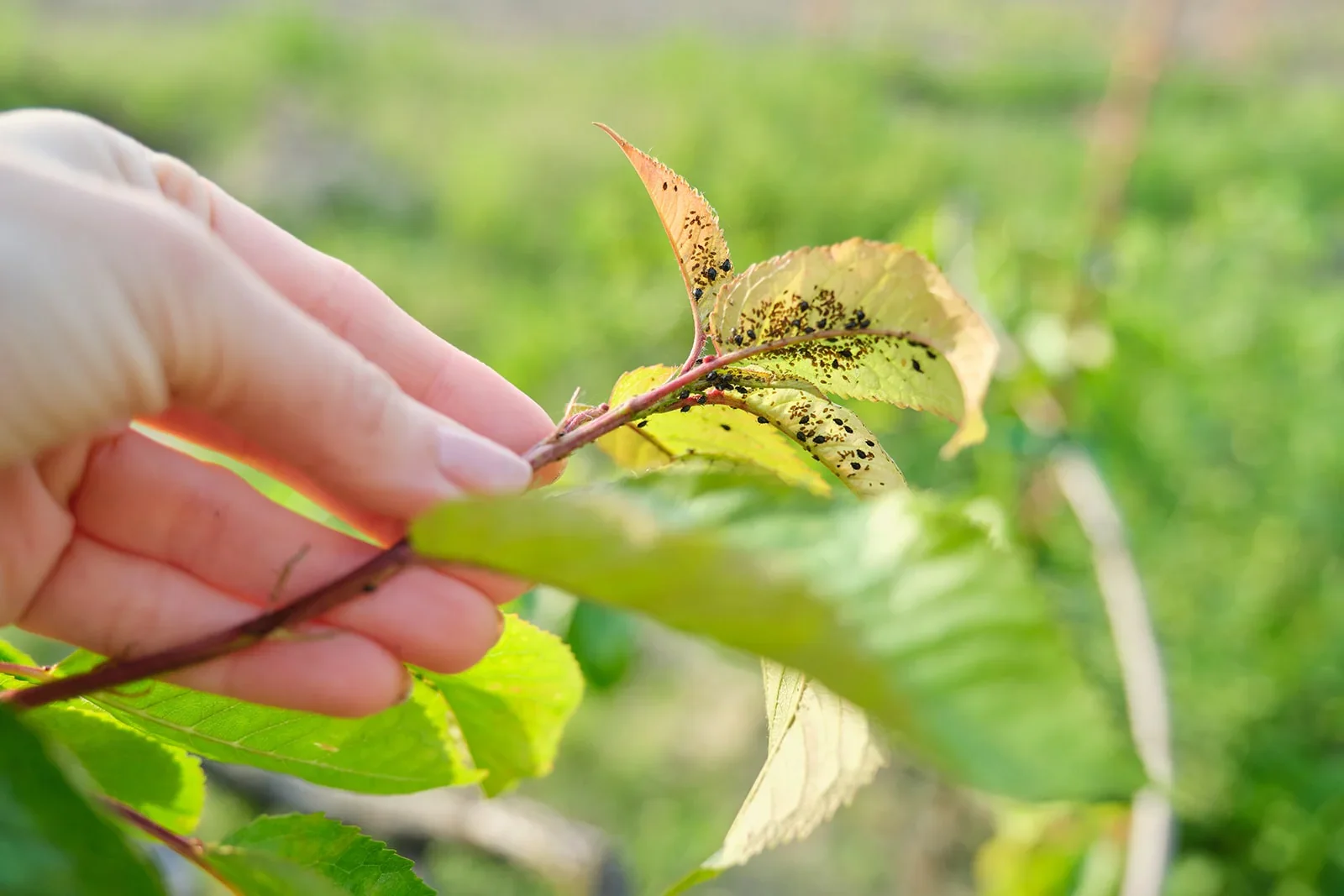
Weed & pest ID – Identify key weed and pest species present and group them by type (annual, perennial, insect, disease, etc.) to clarify which strategies will actually work long term.
Soil and plant health support – Connects weed and pest issues to underlying soil and plant stress, then recommends practices that strengthen desired plants so they outcompete weeds and are less vulnerable to damage.
Ecological management plan – Outlines non-toxic, ecosystem-based approaches such as mulching, improving habitat of pest predators, beneficial insects, plant-derived non-toxic insecticides, and more to improve conditions.
Targeted, minimal-intervention tools – Recommends the least-disruptive control methods first, with clear guidance on when and how to use them, helping reduce reliance on broad-spectrum chemicals and repeated emergency treatments.
Includes:
Site walk & pattern assessment – Review of where and when weeds and pests are present, along with watering, mowing, soil, and plant health patterns to identify the root causes instead of just the symptoms for long-lasting solutions.
Weed & pest ID – Identify key weed and pest species present and group them by type (annual, perennial, insect, disease, etc.) to clarify which strategies will actually work long term.
Soil and plant health support – Connects weed and pest issues to underlying soil and plant stress, then recommends practices that strengthen desired plants so they outcompete weeds and are less vulnerable to damage.
Ecological management plan – Outlines non-toxic, ecosystem-based approaches such as mulching, improving habitat of pest predators, beneficial insects, plant-derived non-toxic insecticides, and more to improve conditions.
Targeted, minimal-intervention tools – Recommends the least-disruptive control methods first, with clear guidance on when and how to use them, helping reduce reliance on broad-spectrum chemicals and repeated emergency treatments.