Reviving Land for Lasting Resilience
✔ Residential & commercial landscape design
✔ Strategic land planning
✔ Stormwater management
✔ Edible & medicinal gardens
✔ Native perennial plantings
✔ Water catchment
✔ Soil support
✔ Waste recycling
✔ Residential & commercial landscape design ✔ Strategic land planning ✔ Stormwater management ✔ Edible & medicinal gardens ✔ Native perennial plantings ✔ Water catchment ✔ Soil support ✔ Waste recycling
Sustainable land planning & landscape design for homeowners, farms, and commercial sites in the Willamette Valley
Our design team works closely with clients to transform conventional land into functional beautiful outdoor spaces that take less and give more
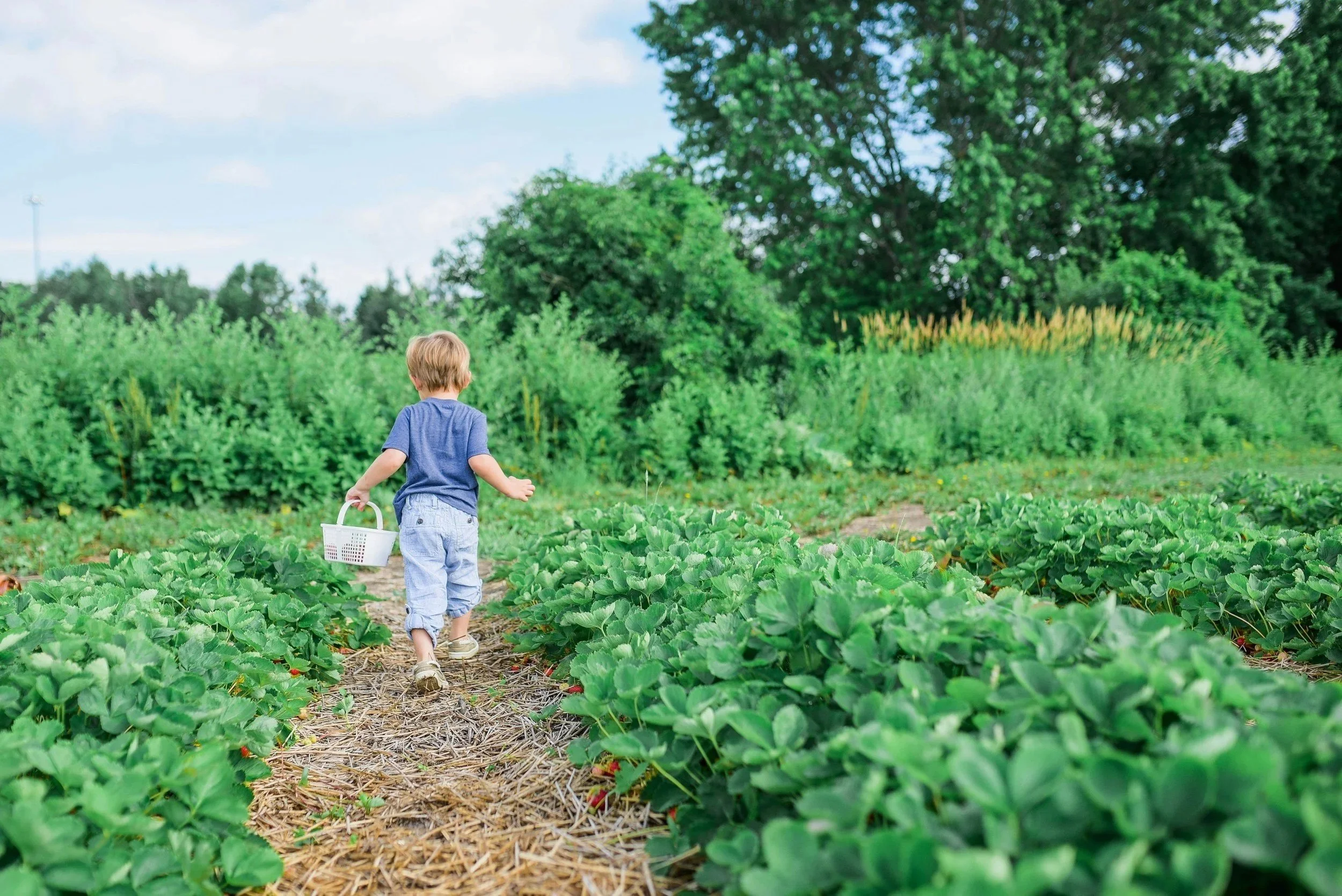
Residential yards & family farms:
More food, function, & beauty with less maintenance
Harness resources for greater self-sufficiency
Build for the future generations
Troubleshoot issues & obstacles
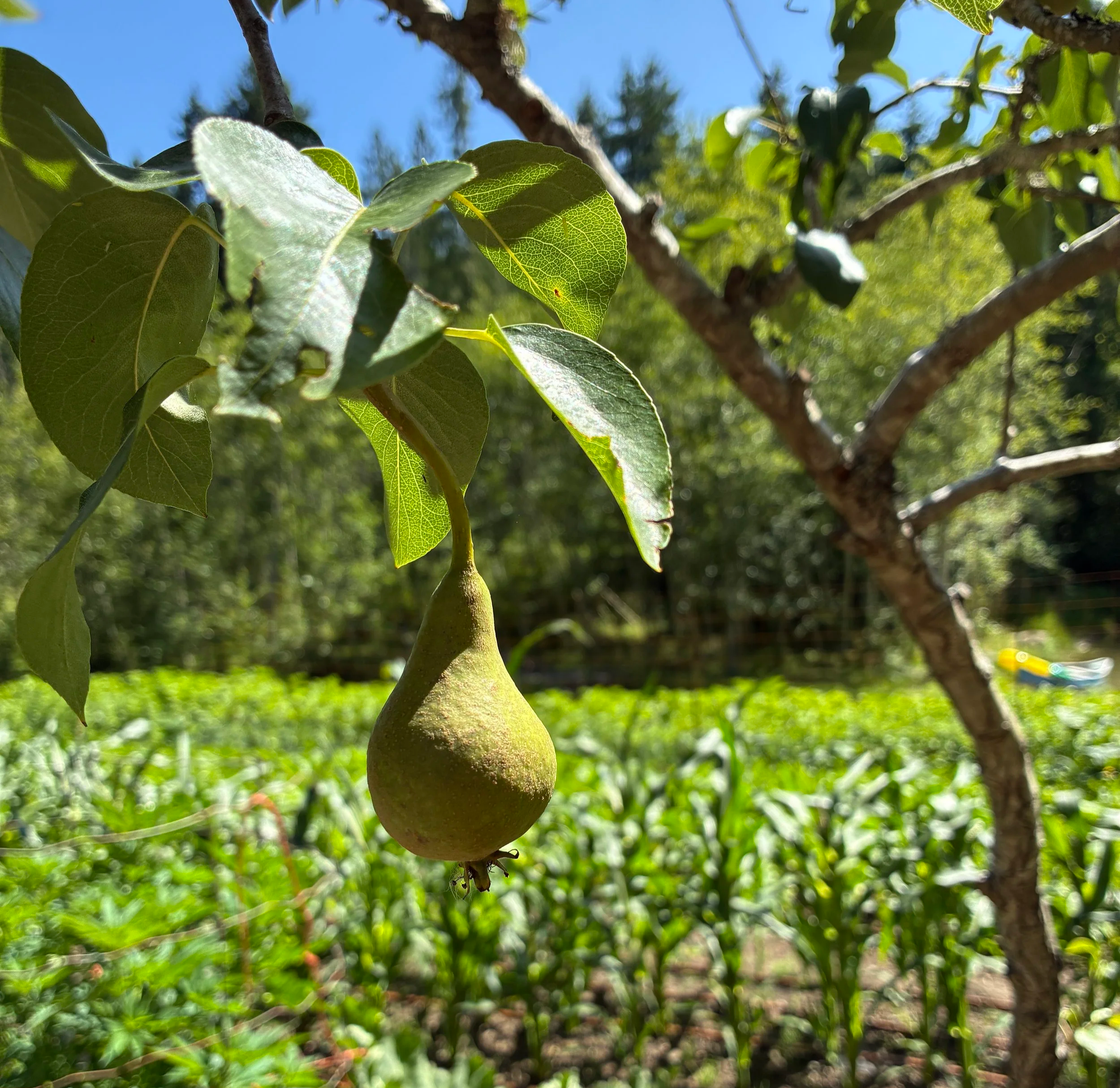
Vineyards, orchards & commercial farms:
Improve soil health and long-term productivity
Reduce inputs, waste, and maintenance costs
Turn site challenges into opportunities
Build a stronger sustainability story

Businesses, schools, & HOAs:
Improve curb appeal, comfort, and community value
Reduce maintenance, water use, and waste
Turn underused outdoor space into an asset

“In an age of mega‑developments and billion‑dollar land grabs, every square foot that regular people steward—no matter how small—holds real power. Our work is about helping you use that power well: turning the space you already have into a resilient, life‑supporting landscape that encourages connection year after year.”

How It Works
Every client and piece of land is unique.
Here is our typical consultation process:
1
Free introductory call
2
Site visit or virtual tour
3
Research
4
Client consultations

5
Design/plan creation
6
Delivery of design and supporting documents
7
Implementation/install oversight
8
Ongoing support & troubleshooting
Services
Function first. Design forward —>

We discuss your goals, timeline, site, budget range, and whether Backyard Abundance is the right fit for your project.
Includes:
Analysis of site’s climate, topography, sun exposure, soil type, rainfall, and more
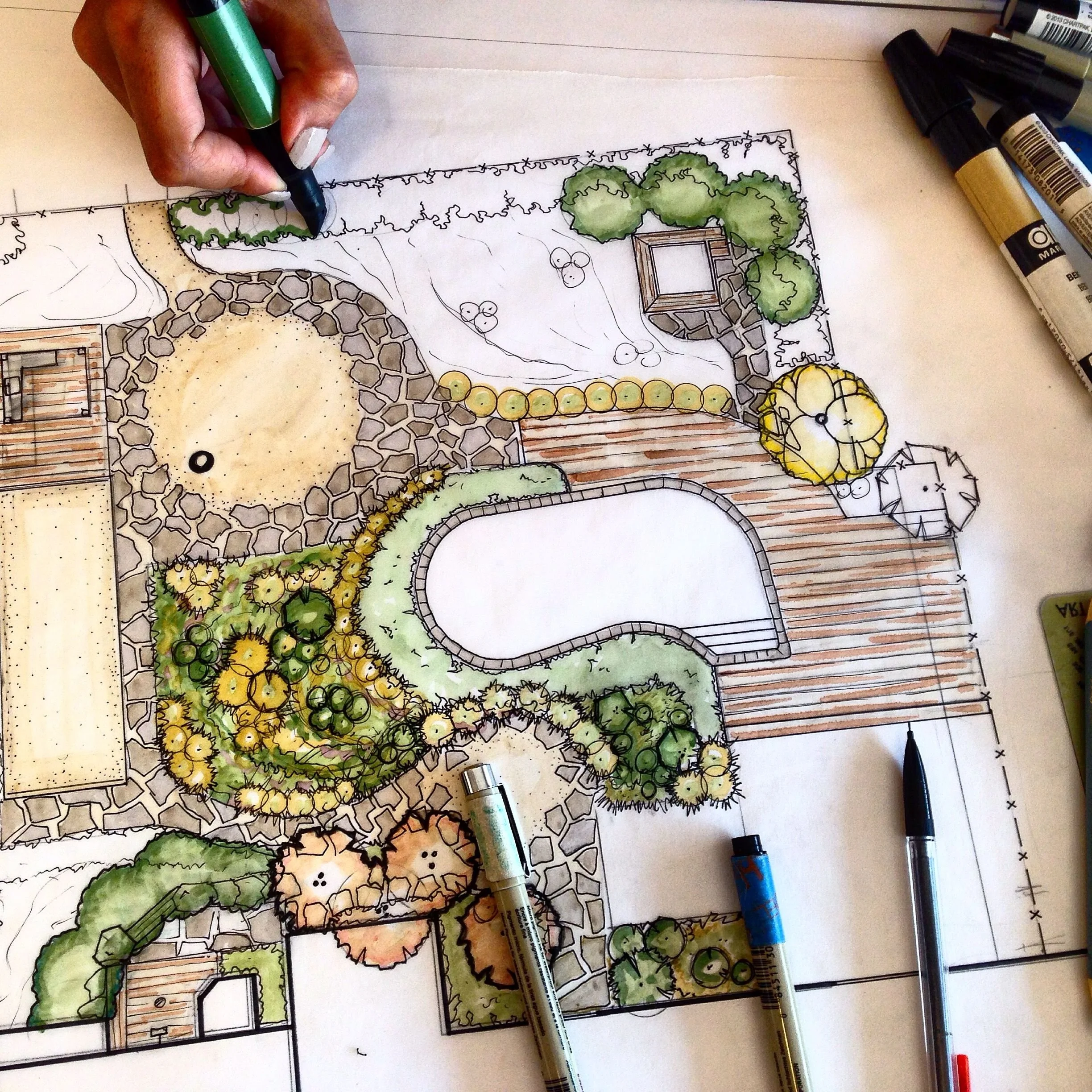
Full hand sketched/painted or digital design in color. Each design will accommodate the client’s preference for aesthetics, privacy, access, food production, pollinator habitat, and maintenance.
Plant selections (names, photos, details, & growing guide)
Sourcing of plants in design at local nurseries, as well as landscaper coordination for install if desired by client
Ongoing support & troubleshooting as needed
The Permaculture Plan is a custom design for your property that uses ecological principles to create a beautiful, low‑input landscape tailored to the local environment and your lifestyle.
With this service, you’ll receive:
A scaled site map showing planting zones, pathways, structures, and key landscape features
Integrated water strategies, such as rainwater harvesting, infiltration, and erosion control where appropriate
Layered plantings (trees, shrubs, perennials, groundcovers) selected for your goals—food, medicine, habitat, privacy, or aesthetics
Soil‑health recommendations, including amendments, cover crops, and mulching approaches
A 5-10 year phased implementation/management plan so you can actualize the design within your budget and capacity, and adapt for the ways your land will change over time.
This service is ideal for homeowners and farmers committed to ongoing land stewardship who want a clear, actionable blueprint before investing in plants, hardscape, earthworks, or engineering drawings. You can implement the plan yourself, work with your preferred contractor, or request ongoing support as your landscape evolves.
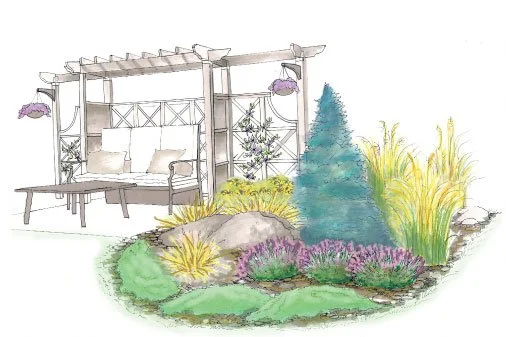
Includes:
Custom planting plan with species selection & placement focused on color, texture, and function to create a cohesive palette
This service refines and enhances your existing landscape through thoughtful plant choices and layout only; it does not include grading, hardscape changes, or major reconfiguration of existing beds.
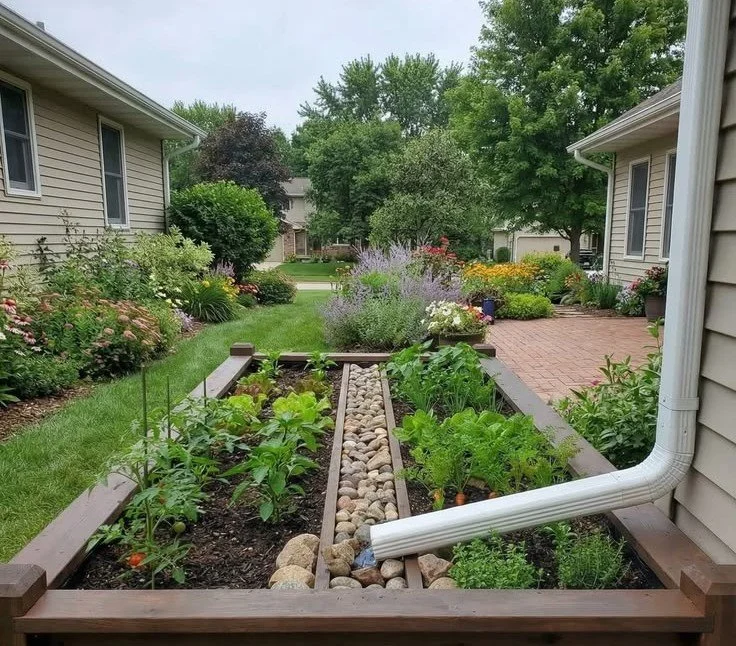
Includes:
Site assessment & drainage mapping – Evaluates how water moves across roofs, hardscape, and soil to identify flooding, erosion, and infiltration opportunities, turning problem areas into functional water-harvesting features (barrel, pond, garden, etc).
Rain garden / basin layout – The use of shallow planted basins, swales, and berms to slow, spread, and sink stormwater away from structures, reducing runoff, protecting foundations, and easing pressure on storm drains.
Roof runoff & catchment integration – Connects downspouts, rain chains, and/or rain barrels to rain gardens or infiltration areas to make better use of free rainwater and reduce dependence on municipal water.
Soil and overflow planning – Designs for soil type, infiltration rate, and safe overflow paths so water drains within 24–48 hours, preventing standing water, property damage, and mosquito issues.
Install-ready concept plan – Provides a clear, scaled concept drawing and maintenance guidance for installation or contractor bidding.
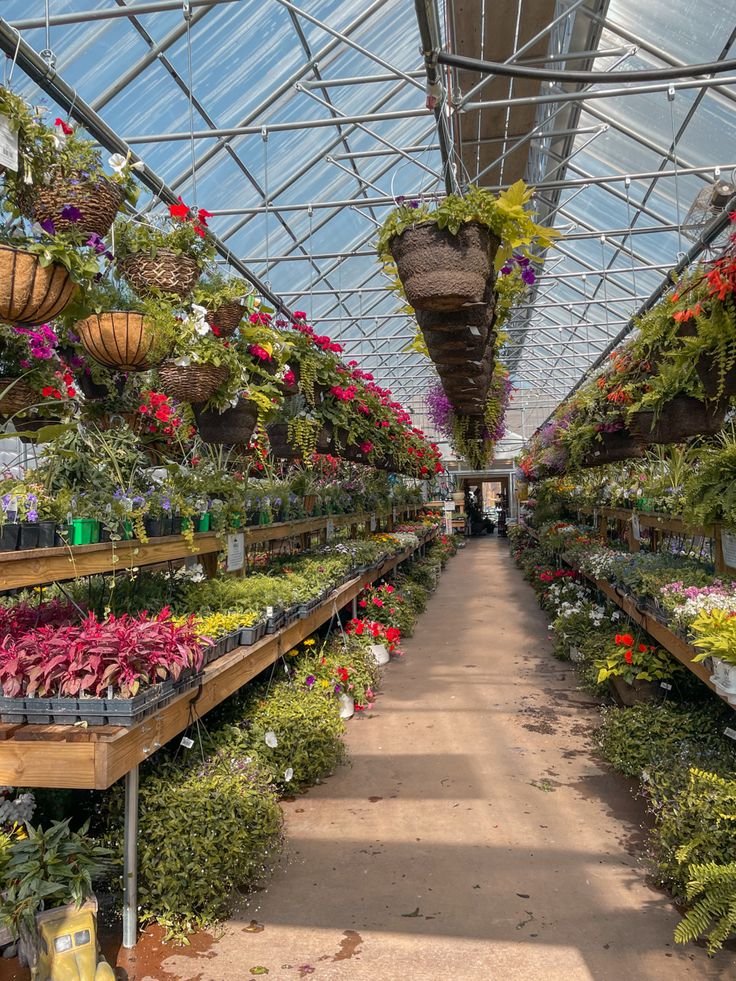
Includes:
Sourcing of plants specified in your design from trusted local nurseries and growers.
Confirmation of quantities, sizes, availability, and pricing for all selected plants.
Proposal of appropriate substitutions when specific varieties are unavailable.
Coordination of delivery or pickup timing so plants arrive on site when needed.
Communication with your chosen installer to align on timing and logistics.

Includes:
Soil assessment & history review – Evaluates soil texture, structure, organic matter, and visible symptoms, along with site use history, to understand why the ground feels infertile, compacted, or “dead.”
Diagnostic soil testing – Uses targeted soil tests (pH, nutrients, salts, contaminants where relevant) to pinpoint imbalances and stressors that are limiting plant growth and microbial life.
Soil recovery strategy – Outlines practical steps such as aeration, organic amendments, mulching, and cover cropping to rebuild soil structure, increase organic matter, and invite beneficial microbes back in.
Water & compaction management – Addresses drainage, irrigation, and traffic patterns to reduce compaction and water stress so soil organisms can thrive and hold more moisture naturally.
Synthetic fertilizer phase-out plan – Provides a transition plan from chemical dependence to biologically active, self-feeding soil, helping gardens become more resilient, productive, and less prone to failure over time.

Includes:
Site walk & pattern assessment – Review of where and when weeds and pests are present, along with watering, mowing, soil, and plant health patterns to identify the root causes instead of just the symptoms for long-lasting solutions.
Weed & pest ID – Identify key weed and pest species present and group them by type (annual, perennial, insect, disease, etc.) to clarify which strategies will actually work long term.
Soil and plant health support – Connects weed and pest issues to underlying soil and plant stress, then recommends practices that strengthen desired plants so they outcompete weeds and are less vulnerable to damage.
Ecological management plan – Outlines non-toxic, ecosystem-based approaches such as mulching, improving habitat of pest predators, beneficial insects, plant-derived non-toxic insecticides, and more to improve conditions.
Targeted, minimal-intervention tools – Recommends the least-disruptive control methods first, with clear guidance on when and how to use them, helping reduce reliance on broad-spectrum chemicals and repeated emergency treatments.
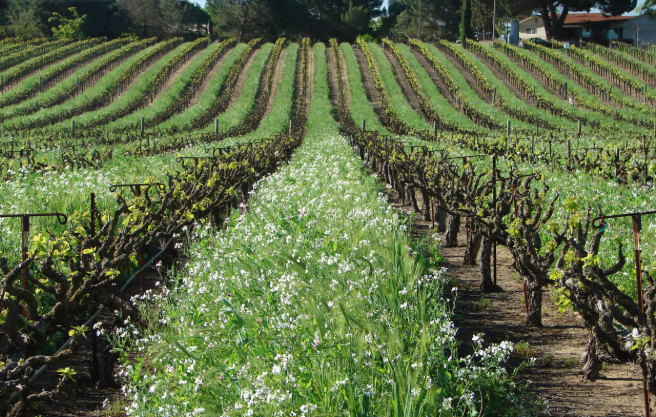
Support your land, your community, and your bottom line with smarter ecological planning.
Explore practical sustainability strategies that can reduce costs, create new revenue opportunities, and improve long-term land performance for your business.
This service is a strong fit for agriculture-based businesses such as farms, orchards, vineyards, and breweries, where land health directly affects productivity year after year. Sustainable strategies for these businesses may include improving soil health, reusing organic byproducts, and positioning the property for sustainability certifications and eco-conscious programming.
Sustainability consulting is equally useful for schools, campuses, HOAs, event venues, municipal properties, and other commercial sites with managed outdoor space. These properties can benefit from more attractive and functional landscapes, opportunities for food or habitat production, lower maintenance needs, and a stronger public-facing identity to help bring in more customers.
-
a landscape designed through permaculture principles to function like an ecosystem: harmonious, regenerative, low-waste, and supportive of both people and the natural world.
-
lasting or existing for a long or apparently infinite time; enduring or continually recurring (plants that do not require seeds to be sown to sprout).
-
relating to something growing or being grown again: the improvement of a place or system due to thoughtful management over time
Where bold thinking meets thoughtful execution.
Let’s create something meaningful together.
Ready for your backyard abundance?
Fill out the intake form →
Dream big & watch your land come to life ⁂
About Your Designer
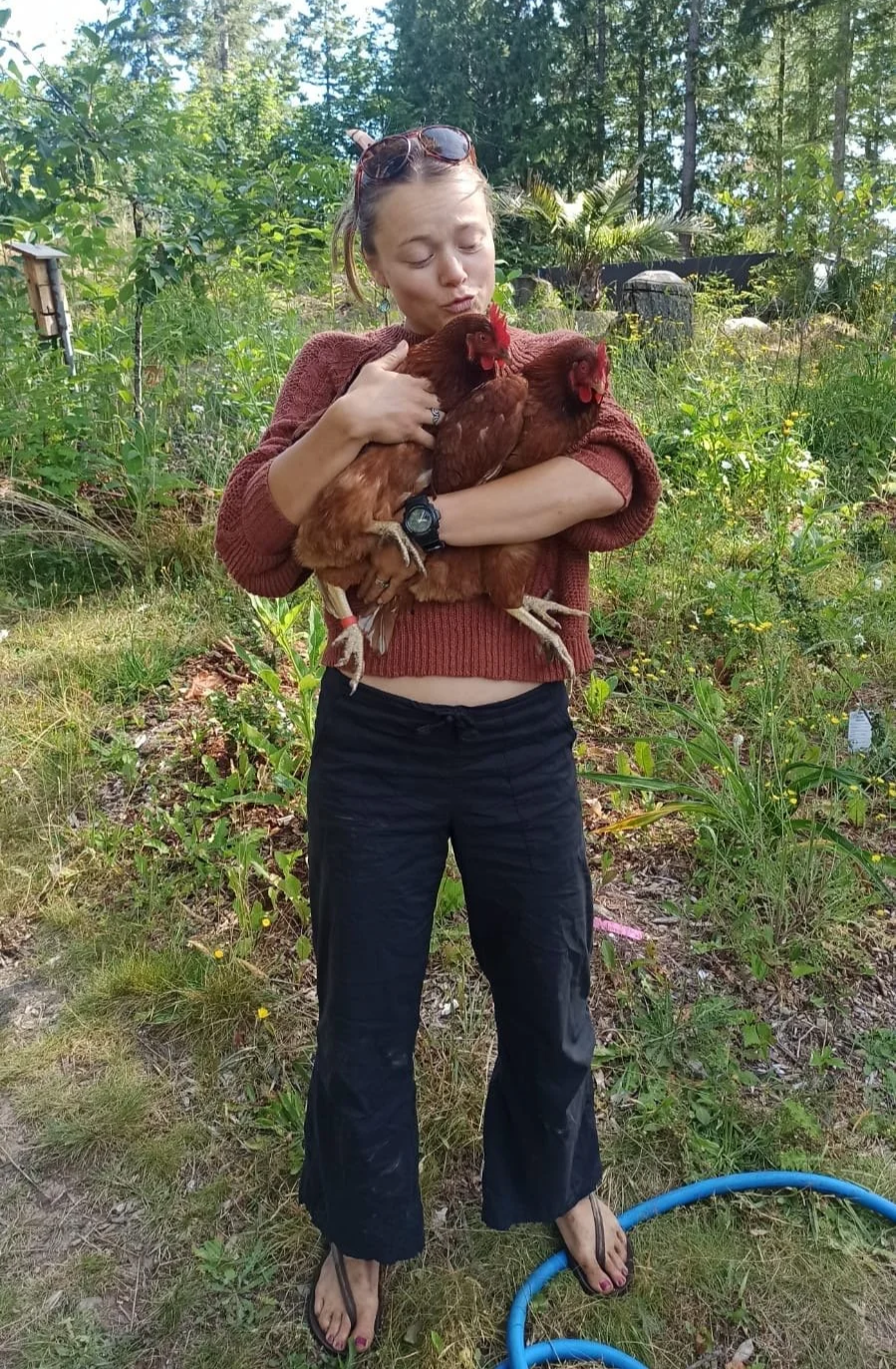
As the founder of Backyard Abundance, Nikki Handel is the principal designer and primary contact for our clients. Her 5+ years of experience in environmental & civil engineering, pollution remediation, organic farming, and permaculture design give her a dynamic skillset and outlook on land projects. She prioritizes her client’s goals while balancing logistical limitations that come with working the land. Her dedication to environmental sustainability, functionality, and artistry drives all of Backyard Abundance’s designs.
Nikki earned her bachelor's degree in environmental engineering from Northeastern University with a focus on bioremediation (the use of plants, fungi, and bacteria to “detox” polluted soil and water). Early in her career, she gained experience with superfund site remediation, stormwater management systems, commercial development and permitting, wetland construction, and soil & water testing. She later earned her Permaculture Design Certificate from Oregon State University and expanded her knowledge of land management and regenerative agriculture while working on organic farms and residential gardens. She now consults local farms and residences on land development, permitting, septic systems, food forest design, closing waste loops, and much more.
Our design ethos and style stems from mimicking nature. Observing nature has taught us that:
Nothing is wasted.
The land knows how to heal itself.
Humans can live in harmony with the earth and leave it better than we found it.
Earth can produce food so abundantly that no one should go hungry.
Pesticides and synthetic fertilizers act like addictive band‑aids, covering symptoms instead of healing the root issue.
Regular contact with healthy landscapes changes people—how they feel, what they notice, and how much they care about the world around them.

Not everyone can live on a farm, but many people do have yards, porches, or even small sidewalk strips. Local sustainability can create massive change quickly. A single yard can catch and clean stormwater, feed pollinators, grow food & medicine, cool a street, and give people a daily relationship with nature.
At Backyard Abundance, we believe our outdoor spaces should work smarter not harder and serve a function beyond aesthetics. In an age of mega‑developments and billion‑dollar land grabs, every square foot that regular people steward—no matter how small—holds real power. Our work is about helping you use that power well: turning the space you already have into a resilient, life‑supporting landscape that encourages connection year after year.